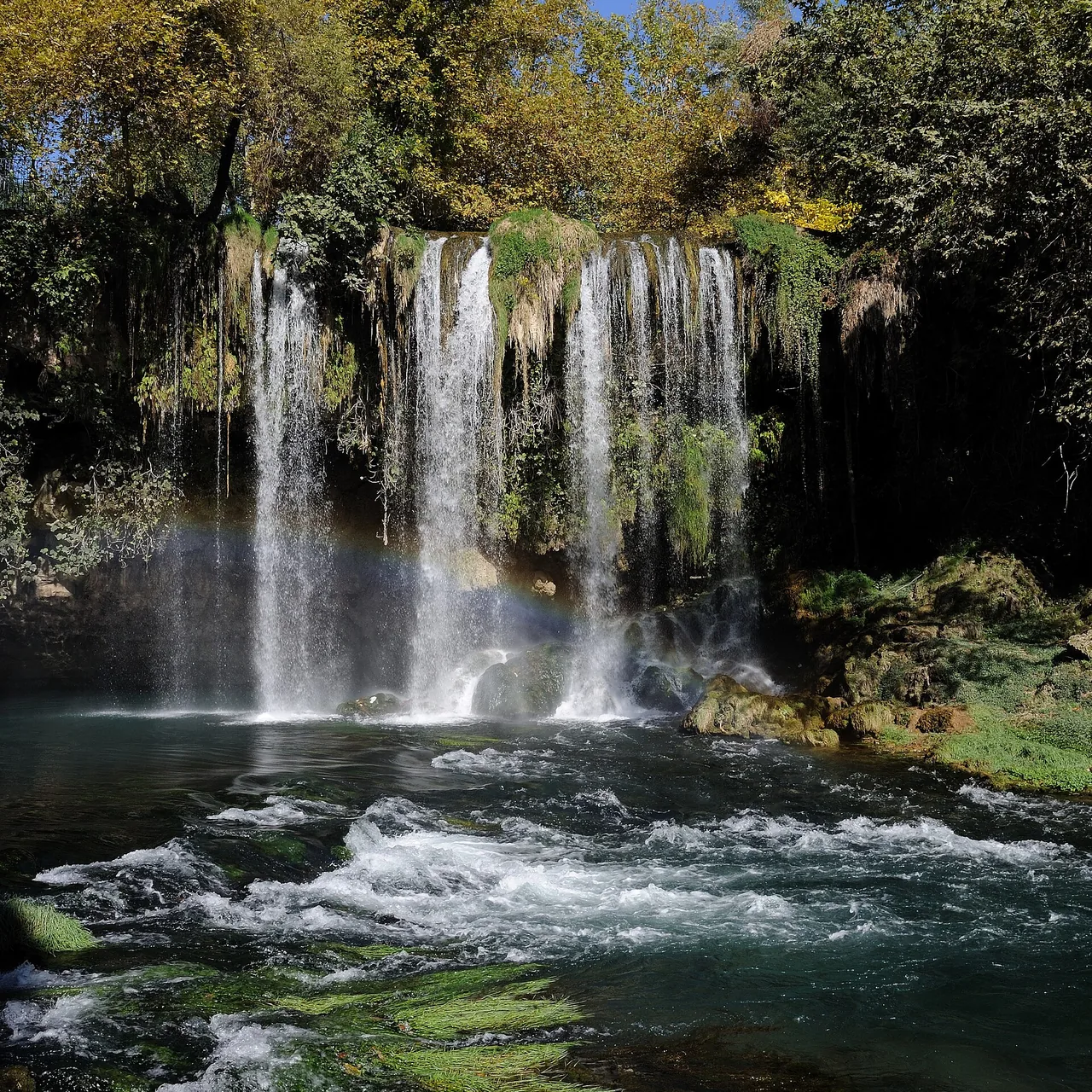
The cave is intriguing and the cliffs are impressive, but each location has different movement and safety needs. With small children, one waterfall and plenty of breaks can make a more relaxed day.
The cave path at Upper Düden
Steps and wet surfaces around the cave call for a slower pace with young children. Do not assume a stroller fits every passage. Ask which route is open and whether there is a place to leave the stroller. Not everyone in the group needs to enter the cave to enjoy the park.
The coastal walk at Lower Düden
Keep track of children while taking photographs and stay behind barriers. The exposed coast can be sunny and windy. Split the walk into short sections with water and rest breaks. A lawn or seating area and the cliffside viewpoints need different levels of attention.
Make room in the bag and the schedule
Water, hats, a spare layer and shoes with grip are useful. Ask about toilets and suitable rest areas on arrival rather than assuming they are available along the cave route. Check current child admission rules with the operator. Set the pace around the children, not an adult photography schedule.
Notes to take with you
- Start with one waterfall and keep the day flexible
- Ask about the stroller route at the entrance
- Bring water, sun protection and a spare layer
Sources and scope
T.C. Kültür ve Turizm Bakanlığı · Kültür Portalı ↗
Antalya Tourist Information · Lower Düden ↗
The listed sources support the factual information in this guide. Geographic information does not confirm daily operating conditions. Visit durations are suggestions; check current admission, hours and access separately.